Warm, inviting and cosy are themes close to my heart and perhaps even minor obsessions. Ref the Swedish thing. But it cannot be overstated what a difference good lighting makes to pretty much everything. The reason you loved that restaurant that made you feel like a VIP? Probably more to do with the lighting than the quality of the linen or even service. The key here is to stay away from bright ceiling lights and place floor lamps and table lamps around the room, or even hang smaller, less bright lights from your ceiling. Whichever approach you take, the lights you choose can make or break a room. It’s such a great way to add drama or just a bit of luxe edge. And the great news is they can really be quite cheap. So apologies for the number of lights featured here but there are just so many great lights – under £100 – that it’s hard to be selective.
Let’s start with ceiling lights. I know I just said they’re not the main show and even to be avoided, but in some rooms they really can work: Living rooms I’m period properties where there’s a stucco ceiling rose – already a beautiful ornament it can be enhanced by the right light fixture. Dining rooms or kitchen areas where you can hang a lamp ove the table. Hallways, especially long and narrow ones where light from above can grow the space. But just because you have the you don’t have to fit them with high wattage white lights and keep them on all the time. Dimmers and lower wattage bulbs are perfect for ceiling lights and usually allow you to show off the lamp itself without blinding the observer.
So, some of my favourites:


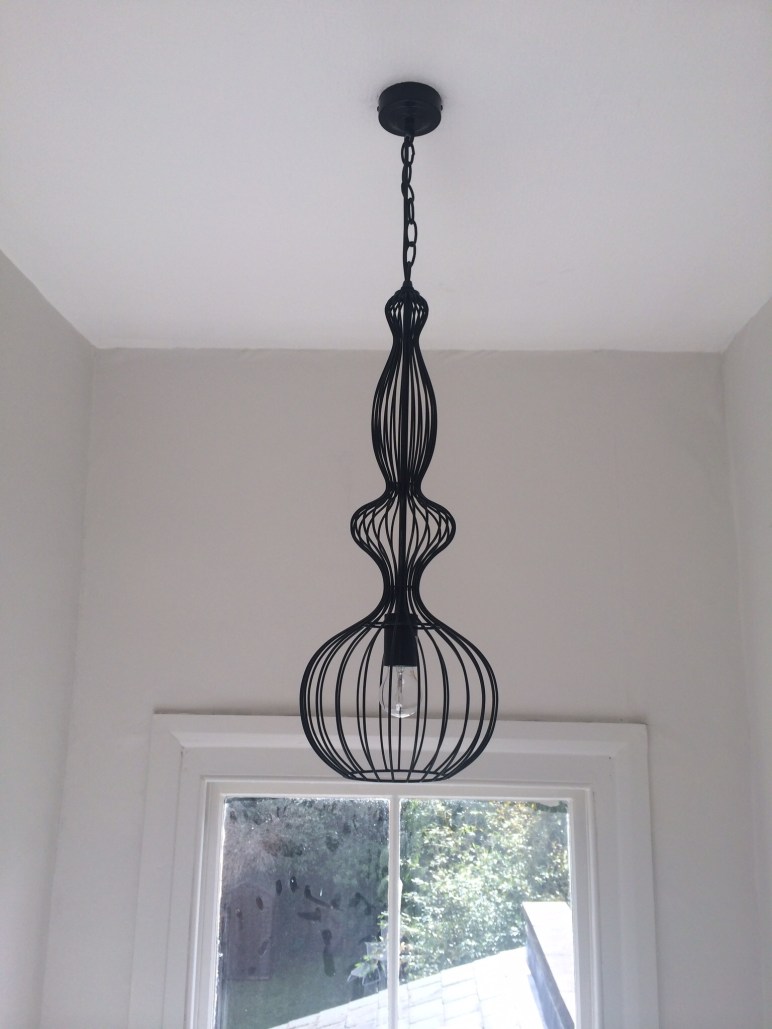
These two would be beautiful in a hallway, staircase, or even in a corner of a room. With a soft light they could replace a reading light if hung from the ceiling above an armchair or sofa.


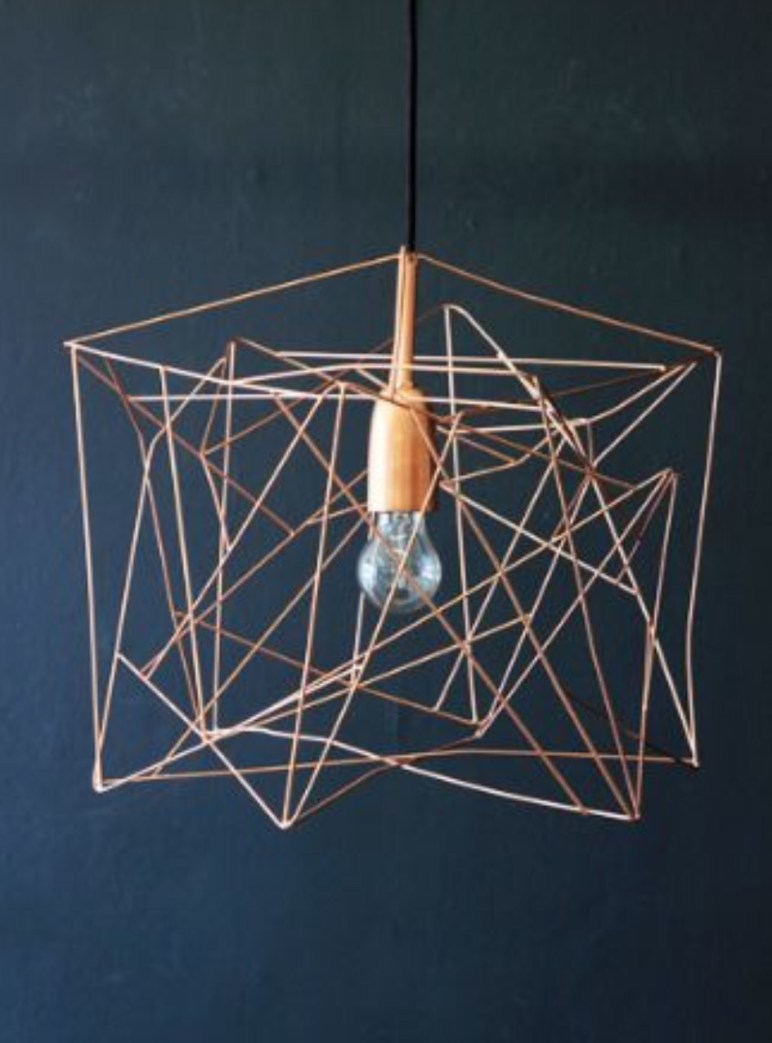
These three are all great for high drama but will require a soft light, ideally en Edison style bulb where you can see the glowing filaments. They’re objects of art in themselves so even if you never turn it on it will add to the room.
if you want something less dramatic, for example if you have other eye catching pieces of furniture or art and you want the lamps to quietly complement rather than compete, I think these are real winners. They’re simple yet feel solid and elegant.


Ceiling lights out of the way, the real stars are floor and table lamps. This is where you get the interesting light from that adds wamths and texture to your room. OK, maybe texture is a weird way to talk about light but think of it as movement, different intensities of light in different parts of the room, making it feel more alive and less flat. The other great advantage of this is that it usually makes a room feel larger.


With these little wonders you can easily add a bit of colour, or play up a particular style to add an industrial, vintage or exotic feel to a room. It’s also easier to combine different styles through table lamps in particular without making the whole room feel jumbled. I would pair the great colour pop from the yellow Maisons du Monde lamp with the elegant black tripod lamp from Habitat, or the fun Graham and Green pug lamp with a sleeker reading lamp like the brushed metal one from Habitat.
Now, floor lamps can be a bit trickier. Mostly because they can take up quite a lot of space. I think of floor lamps in two categories – minimalist, sleek ones that take up almost no space but add a point of light, and statement ones that are effectively a piece of furniture in themselves and require the space to match. It’s harder to get away with several statement floor lamps in the same room unless you really have a lot of space, but together with more discrete minimalist ones you can get away with one in every corner.
So, for minimalist simplicity:


And for more drama:


And finally, a few lights that can go almost anywhere, as decoration or as a practical light source. They are truly good value ‘high design’ and a great little addition to a room:


OK so I know some of these are candle holders rather than electric lights, but the effect is the same and candles really add to the atmosphere of a room. More on that later…


 it can be beautiful